Gums that look a little puffy or bleed during brushing are easy to shrug off, especially because gum disease is usually painless and children rarely mention it. Caught early, though, the mildest form can be turned around with good habits and professional care.
At Hunterdon Pediatric Dentistry, Dr. Brian Rooney, a Diplomate of the American Board of Pediatric Dentistry, and Dr. Reem Hemantharaju check your child’s gums at every dental exam and cleaning in Flemington, NJ.
Plaque is a sticky film that builds up on teeth every day. According to Nationwide Children’s Hospital, plaque buildup is the main cause of gum disease, and plaque that is not removed can harden into calculus, also called tartar.
When plaque stays along the gumline, the gums can become irritated, swollen, and infected. Left alone, the infection can reach the tissues and bone that hold the teeth in place, which is why catching it early matters.
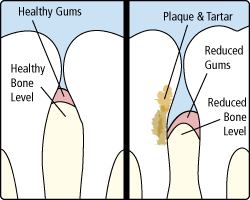
Gum disease ranges from mild to serious. Most children who have it are in the early stage.
Gingivitis is the mildest form of gum disease. The American Academy of Periodontology notes it is often found in children and adolescents, and that the gums swell, redden, and bleed easily. Nationwide Children’s Hospital lists regular cleanings plus daily brushing and flossing as the treatment for gingivitis.
The American Academy of Periodontology says that, left untreated, chronic gingivitis can eventually lead to more serious forms of periodontal disease. This is the reason to treat bleeding gums as a signal rather than a quirk.
Periodontitis is a more serious condition that affects the tissues and bone around the teeth. The American Academy of Periodontology describes aggressive forms in young people: one that affects the first molars and incisors and can involve bone loss, and another that involves the whole mouth with heavy plaque buildup.
Only a dental exam can tell which stage a child is in, so a gum check at every visit is the most dependable way to know.
Plaque is the starting point, but other things can make gums more likely to react. Nationwide Children’s Hospital lists genetics, food stuck in the gums, mouth breathing, poor diet, hormonal changes such as those of puberty, teeth clenching or grinding, diabetes, autoimmune or systemic diseases, and certain medicines that cause dry mouth.
The American Academy of Periodontology explains that rising hormone levels during puberty increase blood flow to the gums, which can make them more reactive to plaque and food debris. The gum reaction tends to lessen as teens get older, but daily brushing, cleaning between the teeth, and regular dental visits matter even more during these years.

Because gum disease is usually painless, a child may not notice anything wrong. Watching for changes in the gums can help you spot a problem early. The signs listed by Nationwide Children’s Hospital and the American Academy of Periodontology include the following.
If you notice any of these, schedule a visit with us rather than waiting for the next routine exam.
A dentist usually starts with your child’s history and an exam of the teeth and gums. According to Nationwide Children’s Hospital, X-rays are sometimes used as well, and our office uses low-radiation digital X-rays when they are needed.
Treatment depends on the stage. For gingivitis, Nationwide Children’s Hospital lists professional cleanings plus daily brushing and flossing. More advanced disease can call for other treatment, and a dentist may refer a child to a periodontist. If we find a problem, we explain what we see and what we recommend, and we want you to feel comfortable asking questions at any point.
Healthy habits are the best protection, and they are easier to build early. The American Academy of Periodontology notes that periodontal disease can be prevented in children when good habits start young.
Nationwide Children’s Hospital advises brushing twice a day with fluoride toothpaste, flossing daily, and helping younger children brush until their skills improve. Our preventive care page covers daily routines, and fluoride adds another layer of protection for the teeth.
Limiting sugary and starchy foods helps, and our page on nutrition and oral health gives easy swaps. Ask us as well whether sealants make sense for your child’s back teeth.
The American Academy of Periodontology recommends regular dental visits, including cleanings twice a year, and checking your child’s mouth for warning signs between visits.
Yes. The American Academy of Periodontology notes that gingivitis, the mild form, is often found in children and adolescents, and more serious forms can occur in young people as well.
Plaque buildup is the main cause, according to Nationwide Children’s Hospital. Other risk factors include genetics, mouth breathing, hormonal changes during puberty, teeth grinding, diabetes, and certain medicines that cause dry mouth.
Red, swollen, or sore gums, bleeding while brushing or flossing, receding gums, persistent bad breath, pus between the teeth and gums, and loose teeth or a change in the bite. Gum disease is usually painless, so a child may not mention it.
Nationwide Children’s Hospital lists regular professional cleanings plus daily brushing and flossing as the treatment for gingivitis. Treating it early matters because untreated chronic gingivitis can lead to more serious gum disease.
The American Academy of Periodontology explains that hormones during puberty increase blood flow to the gums and can make them react more to plaque. Careful brushing, cleaning between teeth, and regular dental visits help.
Brush twice a day with fluoride toothpaste, floss daily, help younger children brush, limit sugary and starchy foods, and keep regular dental visits.
Dr. Brian Rooney is a board-certified pediatric dentist and a Diplomate of the American Board of Pediatric Dentistry who completed a two-year pediatric dental residency at UCLA, where he served as chief resident. Together with Dr. Reem Hemantharaju, who earned a pediatric dental specialty certificate from Columbia, he welcomes all children and adolescents to our Flemington office, including those with special needs.
If your child’s gums look red, swollen, or bleed when they brush, or their last exam was a while ago, we can take a look and talk through next steps. We accept insurance and fee-for-service, with CareCredit and Cherry payment plans available, so reach out through our appointment request form to schedule a visit.