Some children feel nervous the moment they sit in the dental chair. Nitrous oxide, often called laughing gas, is a gentle option that helps many of them relax while staying awake and able to talk with the dentist.
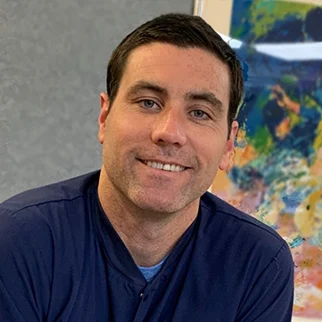
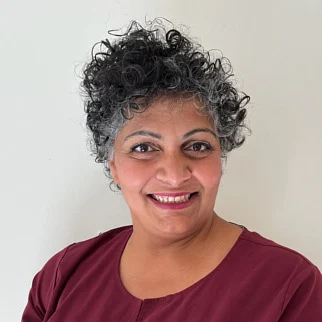
At Hunterdon Pediatric Dentistry, Dr. Brian Rooney, a Diplomate of the American Board of Pediatric Dentistry, and Dr. Reem Hemantharaju offer nitrous oxide for mild sedation at our Flemington, NJ office, so your child can feel more at ease during preventive care and treatment visits.
Nitrous oxide is a gas that is breathed in mixed with oxygen. The American Academy of Pediatric Dentistry describes it as an analgesic and anxiolytic, meaning it can ease discomfort and anxiety, and notes that children keep their ability to respond to the dentist while it is in use.
It is delivered through a small mask that fits over your child’s nose. The AAPD notes that nitrous oxide has a rapid onset and recovery, about 2 to 3 minutes, which is part of why it is so widely used in pediatric dentistry.
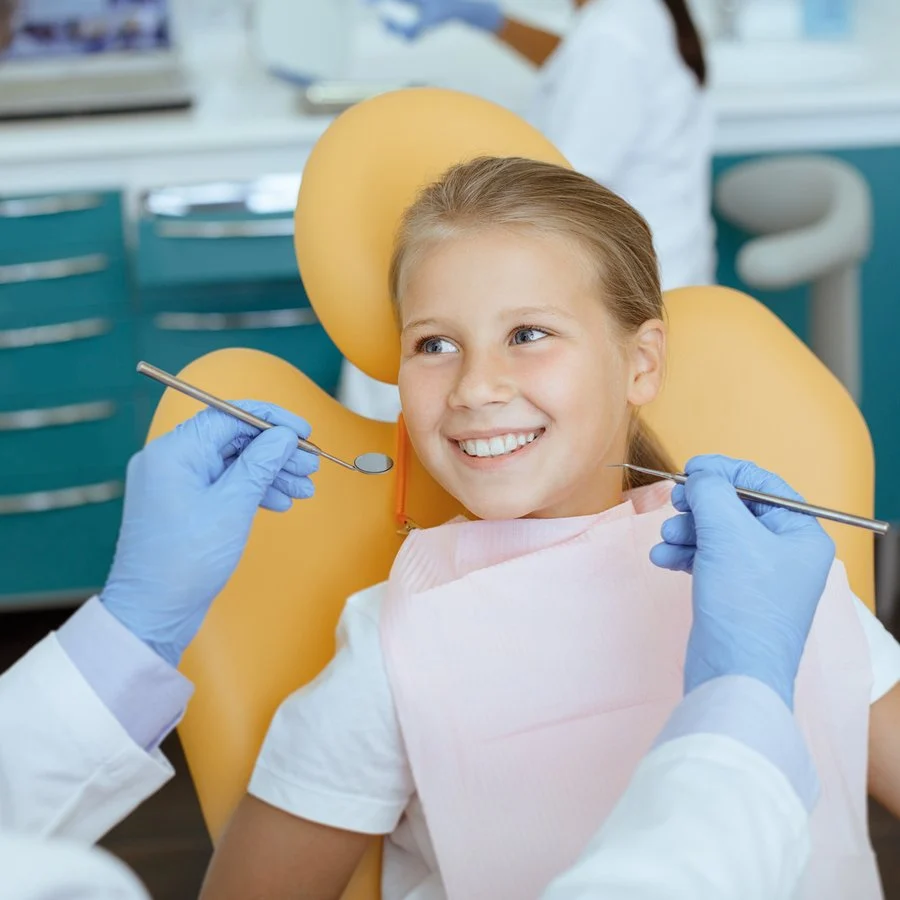
Most children find the process simple. Here is how a visit with nitrous oxide typically goes.
Your child is asked to breathe through the nose rather than the mouth while the mask is in place.
As the gas begins to work, your child becomes calm. They remain awake and can talk with the dentist, and the AAPD notes that children retain their protective reflexes.
At the end of treatment, your child breathes pure oxygen. The AAPD recommends at least 5 minutes of 100 percent oxygen, and the effects wear off quickly after that.
If your child is nervous about the mask, let us know ahead of time so our team can plan time to get them comfortable with it.
Nitrous oxide is not meant for every child or every visit. The AAPD describes the following situations in which it can be helpful.
Our dentists decide whether it makes sense for your child, and as children grow more comfortable with dental visits they often need it less.
Because nitrous oxide is breathed through the nose, how your child is breathing matters. The AAPD lists current upper respiratory infections, sinusitis, and a recent middle ear infection among the conditions that argue against using it, and notes that children who mainly breathe through the mouth may find the nasal mask challenging. It also notes that asthma is not a contraindication.
Please tell us about any recent illness, congestion, or ear infection before your visit, along with your child’s health history and any medications. The AAPD also says that informed consent from a parent should be documented before nitrous oxide is given, so we talk with you first.
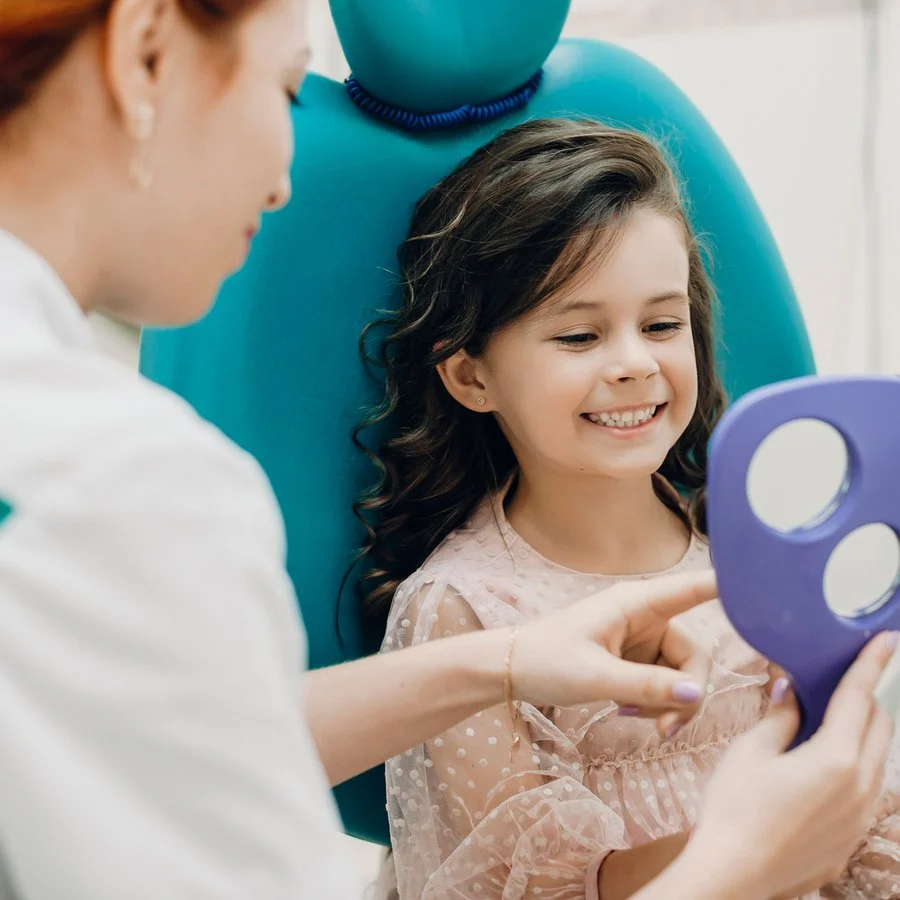
The AAPD describes nitrous oxide as entailing minimum risk.
According to the AAPD, the most common side effects are nausea and vomiting, which occur in about 0.5 to 1.2 percent of patients. Other possible effects include dizziness and headache. The AAPD links a heavy meal before treatment with a higher chance of nausea.
The AAPD states that fasting is not required for nitrous oxide, and that a light meal is sometimes suggested. Ask us about any food instructions when you schedule, and see our page on office visits for what a typical appointment looks like.
Nitrous oxide is one of several ways we help children feel comfortable. Our treatment rooms include noise-canceling headphones and TVs, and our office tour shows what your child can expect to see. We welcome all children and adolescents, including those with special needs.
Nitrous oxide, or laughing gas, is a gas breathed in with oxygen through a small mask over the nose. The AAPD describes it as an analgesic and anxiolytic that has a rapid onset and recovery.
No. Your child stays awake and can talk with the dentist. The AAPD notes that children keep their protective reflexes and their response to verbal commands.
The AAPD reports a rapid recovery of about 2 to 3 minutes, and it recommends breathing 100 percent oxygen for at least 5 minutes at the end of treatment.
The AAPD describes it as entailing minimum risk. The most common side effects are nausea and vomiting, which occur in about 0.5 to 1.2 percent of patients.
The AAPD says fasting is not required and that a light meal is sometimes suggested, because a heavy meal is linked with more nausea. Ask us about food instructions when you schedule.
The AAPD lists current upper respiratory infections, sinusitis, and a recent middle ear infection among the conditions that argue against it. Call us if your child is congested or recently ill so we can advise you.
Dr. Brian Rooney is a board-certified pediatric dentist and a Diplomate of the American Board of Pediatric Dentistry who completed a two-year pediatric dental residency at UCLA, where he served as chief resident. Together with Dr. Reem Hemantharaju, who earned a pediatric dental specialty certificate from Columbia, he welcomes all children and adolescents to our Flemington office, including those with special needs.
If your child gets anxious at the dentist, or you simply want to know whether nitrous oxide could help, we are glad to talk it through before the visit. We accept insurance and fee-for-service, with Cherry and CareCredit payment plans available, so reach out through our appointment request form to get started.