Mouth injuries in sports tend to happen fast: a collision under the basket, a ball that takes a bad hop, a fall off a skateboard. When a tooth is hurt, what a parent does in the first few minutes can shape how well it heals, and a little preparation before the season starts makes those minutes less stressful.
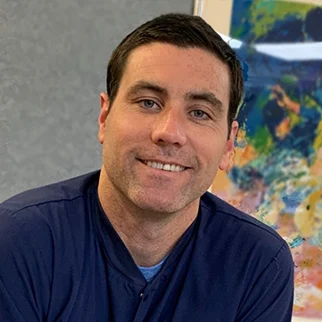
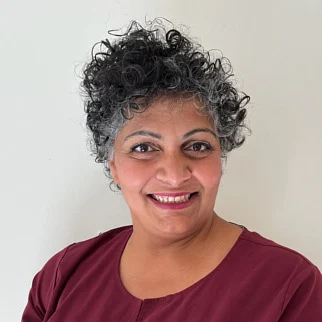
At Hunterdon Pediatric Dentistry, Dr. Brian Rooney, a Diplomate of the American Board of Pediatric Dentistry, and Dr. Reem Hemantharaju help young athletes in Flemington, NJ with a plan for both protection and injury care, from mouthguards to preventive care.
Sports dentistry covers three jobs: preventing mouth injuries, treating them quickly when they happen, and keeping an athlete’s teeth healthy between games. For children, growth adds a twist. Baby teeth are loosening, permanent teeth are coming in, and the jaw is changing, so a plan that worked last season may need adjusting this season.
Our team looks at the sports your child plays, how often they play, and whether they wear braces, then talks through the protection that makes sense and what to do if an injury happens. Mention any new sport at your child’s next visit, even a casual one.
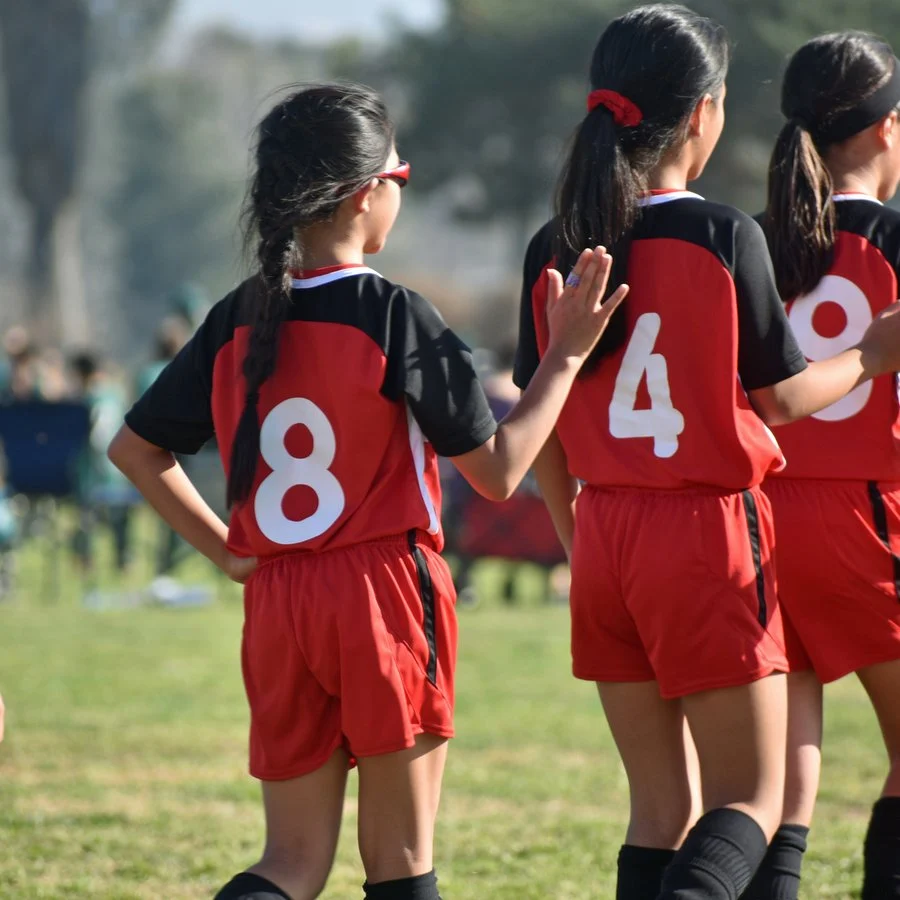
A mouthguard protects the teeth, lips, and jaw, but it does not protect the eyes, nose, or head. Helmets, face masks, and goggles each have a job, and the right mix depends on the sport. The American Academy of Pediatric Dentistry, which last revised its sports injury policy in 2023, calls for ASTM-certified face protectors for youth baseball and softball players.
Gear only helps when it fits and stays on, so check it at the start of each season. A helmet that sits crooked, a face mask that slides, or a guard that no longer fits a growing mouth leaves gaps. Children also outgrow equipment faster than adults do, which is one more reason to look it over before the first practice.
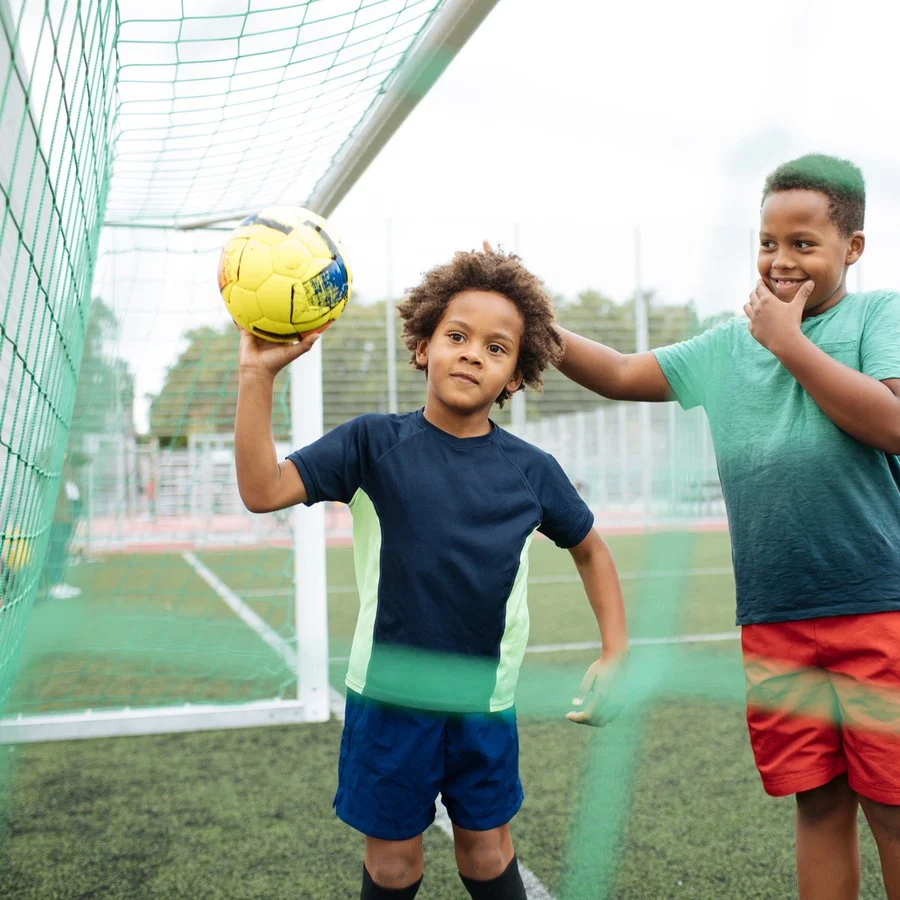
Stay calm, check that your child is alert and breathing normally, and call our Flemington office at (908) 788-6700. If your child lost consciousness or seems confused, seek medical care first, because a head injury comes before a dental one. Our guide to pediatric dental emergencies covers other urgent situations.
Pick the tooth up by the crown, not the root, and rinse it gently in milk, saline, or saliva without scrubbing. Guidelines endorsed by the American Academy of Pediatric Dentistry say that putting the tooth back in the socket right away is the best treatment at the scene, and that the tooth should go in a bite on gauze to hold it. If that is not possible, store it in cold milk and get to a dentist immediately.
A baby tooth that comes out because of an injury should not be put back in the socket, because that can harm the permanent tooth developing underneath. Call us right away anyway. We can check the area and make sure no pieces of the tooth were left behind.
Rinse your child’s mouth with water, save any broken pieces you can find, and call us. A small chip may need only a simple repair, while a deeper crack can involve the nerve inside the tooth, so a prompt visit and an X-ray help us decide what the tooth needs.
If a tooth has shifted, loosened, or been pushed deeper into the gum, avoid wiggling it or pushing it back yourself. An ice pack on the cheek can ease swelling, and we can reposition and stabilize the tooth if needed.
Rinse gently with water and press clean gauze or a cloth against the cut. Mouth tissue bleeds freely and often looks worse than it is, but call us if the bleeding does not slow, the cut is deep, or a tooth fragment may be lodged in the tissue.
If your child’s teeth no longer meet the way they did, or the jaw hurts to open and close, avoid forcing it and seek care promptly. A jaw injury can need medical evaluation, and we can help coordinate that.
Whatever the injury, do not wait to see whether it settles on its own. Some damage, such as harm to the nerve inside a tooth, cannot be seen at the sideline, and early care gives the tooth its best chance.
A few items in a sports bag can save precious minutes. Keep the kit in the same place all season, and tell your child’s coach where it is.
None of these items replaces a dental visit, but together they make the first few minutes far easier to manage.
Injury care gets the attention, yet everyday habits protect a child’s teeth through a long season. Regular dental exams and cleanings let our team spot problems early, check how a mouthguard fits, and notice when new permanent teeth or braces change what your child needs.
Bring your child’s mouthguard to appointments so we can look at the fit and the wear. If your child has a sport that is new this year, we can talk through whether anything else is worth adding.
Guidelines endorsed by the AAPD advise children to avoid contact sports after a tooth has been replanted, so ask us when it is safe to return. Follow-up visits matter after a mouth injury, because a tooth can change color or become tender weeks later.
Sports dentistry is dental care focused on athletes: preventing injuries to the teeth, mouth, and jaw, treating them when they happen, and advising on protective equipment. For children, it also means keeping up with changes as baby teeth fall out and permanent teeth come in.
Handle the tooth by the crown, rinse it gently with milk, saline, or saliva if it is dirty, and put it back in the socket if you can. If you cannot, keep it in cold milk and call our Flemington office at (908) 788-6700 right away. Time matters, and the sooner the tooth is back in place, the better its chances.
No. Baby teeth should not be replanted, because doing so can damage the permanent tooth growing underneath. Call us so we can check the area.
A visit is a good idea. Some injuries, such as damage to the nerve of a tooth, are not visible right away. Our team can examine your child’s teeth and take an X-ray if needed.
It depends on the injury. After a replanted tooth, guidelines endorsed by the AAPD advise avoiding contact sports for a period of time, so ask our team before your child goes back to practice.
Coverage varies by plan. Our financial information page explains the insurance and payment options we offer, including Cherry and CareCredit.
Dr. Brian Rooney is a board-certified pediatric dentist and a Diplomate of the American Board of Pediatric Dentistry who completed a two-year pediatric dental residency at UCLA, where he served as chief resident. Together with Dr. Reem Hemantharaju, who earned a pediatric dental specialty certificate from Columbia, he welcomes all children and adolescents to our Flemington office, including those with special needs.
Whether your child just joined a team or you want a plan in place before the season starts, we can talk through protective gear and what to do if an injury happens. We accept insurance and fee-for-service, with Cherry and CareCredit payment plans available, so reach out through our appointment request form to schedule a visit.