Fluoride is a mineral that helps teeth resist decay, and it reaches children in more than one way: through drinking water, through toothpaste, and through treatments a dentist applies. Knowing how each one works makes it easier to build a routine that fits your child.
At Hunterdon Pediatric Dentistry, Dr. Brian Rooney, a Diplomate of the American Board of Pediatric Dentistry, and Dr. Reem Hemantharaju offer fluoride treatments at our Flemington, NJ office as part of our preventive care.
Every time a child eats or drinks, bacteria in plaque produce acids that wear on tooth enamel. Fluoride helps strengthen a tooth’s surface so it is more resistant to that decay, which is why it is a mainstay of cavity prevention.
The Centers for Disease Control and Prevention explains that fluoridated drinking water bathes teeth with a low level of fluoride throughout the day, and reports that it reduces cavities by about 25 percent in children and adults. Fluoride works best alongside daily brushing, healthy food choices, and regular checkups.
Fluoride can reach a child’s teeth from several places, and the right mix depends on the child.
Many communities adjust the fluoride level in public water. The CDC describes the recommended level as 0.7 milligrams per liter. If your family uses well water or a filter, ask us at your child’s visit whether it makes sense to look into your water’s fluoride level.
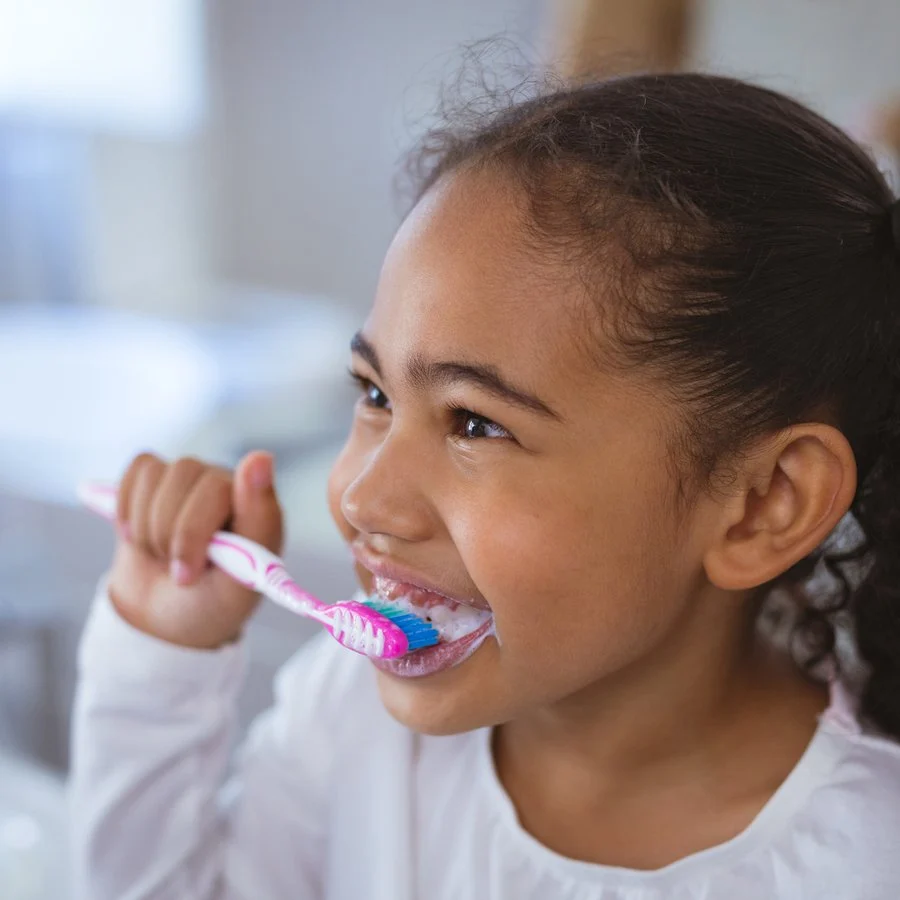
Brushing with fluoride toothpaste puts fluoride on the teeth twice a day. The amount matters, and the guidance for different ages is listed in the section below.
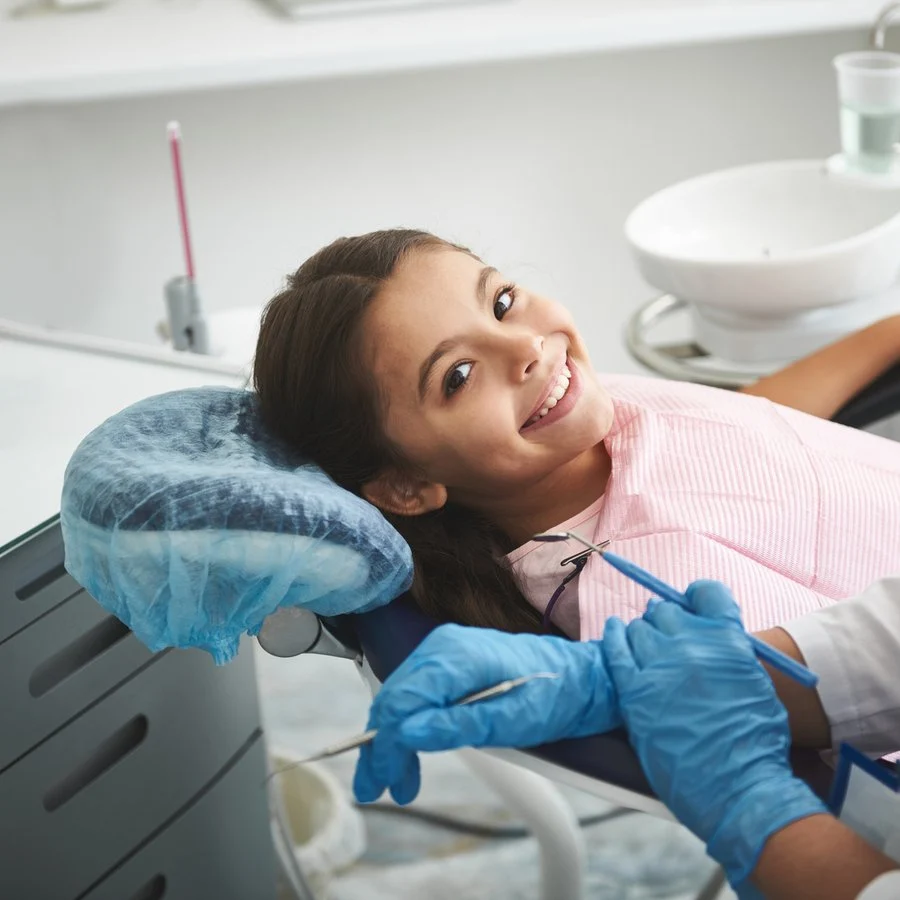
A fluoride treatment at the dentist’s office adds protection beyond what a child gets at home. Our dentists decide whether and how often a child needs one based on their cavity risk, and we often apply it during a dental exam and cleaning.
Not every child needs the same amount, which is one reason a conversation with the dentist is worthwhile.
The amount of toothpaste is easy to get wrong, because it changes as your child grows. The Smiles for Life oral health curriculum summarizes recommendations from the American Academy of Pediatrics Section on Oral Health and the American Academy of Pediatric Dentistry.
If you are not sure your child is using the right amount, bring their toothbrush and toothpaste to the next visit and we can go over it together.
A professional fluoride treatment is a short part of a regular visit. Our team applies the fluoride to your child’s teeth, which may be done as a foam or a varnish, and explains anything your child should avoid doing afterward.
How often a child gets a treatment depends on their oral health and our dentists’ recommendation, so the schedule can differ from child to child. Fluoride also pairs well with dental sealants, which protect the grooves of the back teeth.
When you pick an at-home fluoride product, such as toothpaste or mouthwash, look for the American Dental Association Seal of Acceptance, which indicates the product has been evaluated for safety and effectiveness.
Some children are prescribed extra at-home fluoride products. If you are thinking of adding a rinse or gel on your own, check with us first so we can recommend what fits your child’s age and needs.
Fluoride helps most when sugary drinks and snacks are limited. Our page on nutrition and oral health offers simple ideas, and the importance of baby teeth explains why even the first set of teeth deserves this protection.
Fluoride helps strengthen the surface of teeth so they are more resistant to decay. The CDC reports that drinking fluoridated water reduces cavities by about 25 percent in children and adults.
For children under 3, a small smear about the size of a grain of rice. For children 3 and older who can spit, a pea-sized amount. These amounts follow recommendations summarized from the American Academy of Pediatrics and the American Academy of Pediatric Dentistry.
The recommended amounts are considered safe to swallow, but spitting out should always be encouraged. Keep tubes out of the reach of small children.
It is fluoride applied to the teeth by the dental team during a visit, which may be a foam or a varnish. Our dentists decide whether your child needs one and how often.
It depends on your child’s oral health and the dentist’s recommendation. We can talk through a schedule at your child’s visit.
Look for the American Dental Association Seal of Acceptance, and ask our team if you are unsure which product is right for your child’s age.
Dr. Brian Rooney is a board-certified pediatric dentist and a Diplomate of the American Board of Pediatric Dentistry who completed a two-year pediatric dental residency at UCLA, where he served as chief resident. Together with Dr. Reem Hemantharaju, who earned a pediatric dental specialty certificate from Columbia, he welcomes all children and adolescents to our Flemington office, including those with special needs.
If you have questions about toothpaste amounts, your water, or whether your child could benefit from a professional treatment, we are happy to talk it through. We accept insurance and fee-for-service, with CareCredit and Cherry payment plans available, so reach out through our appointment request form to schedule a visit.