Children are not born afraid of the dentist, but they can be wary of anything unfamiliar. A first visit that feels gentle and explained in simple words sets the tone for years of healthy checkups.
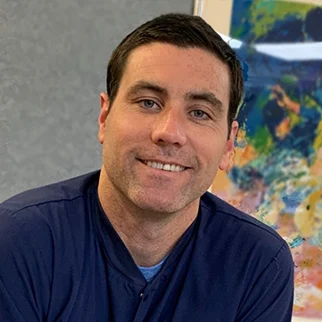
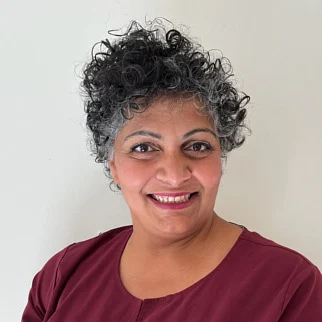
At Hunterdon Pediatric Dentistry, Dr. Brian Rooney, a Diplomate of the American Board of Pediatric Dentistry, and Dr. Reem Hemantharaju care for infants, children, and teens in Flemington, NJ. Read on for the basics, or see why families choose a pediatric dentist.
The American Academy of Pediatric Dentistry describes pediatric dentistry as an age-defined specialty that provides primary and comprehensive preventive and therapeutic oral health care for infants and children through adolescence, including those with special health care needs.
Its scope includes behavior guidance, caries prevention, sedation, and supervision of facial growth and development. In short, it is dental care built around how children grow, think, and feel.
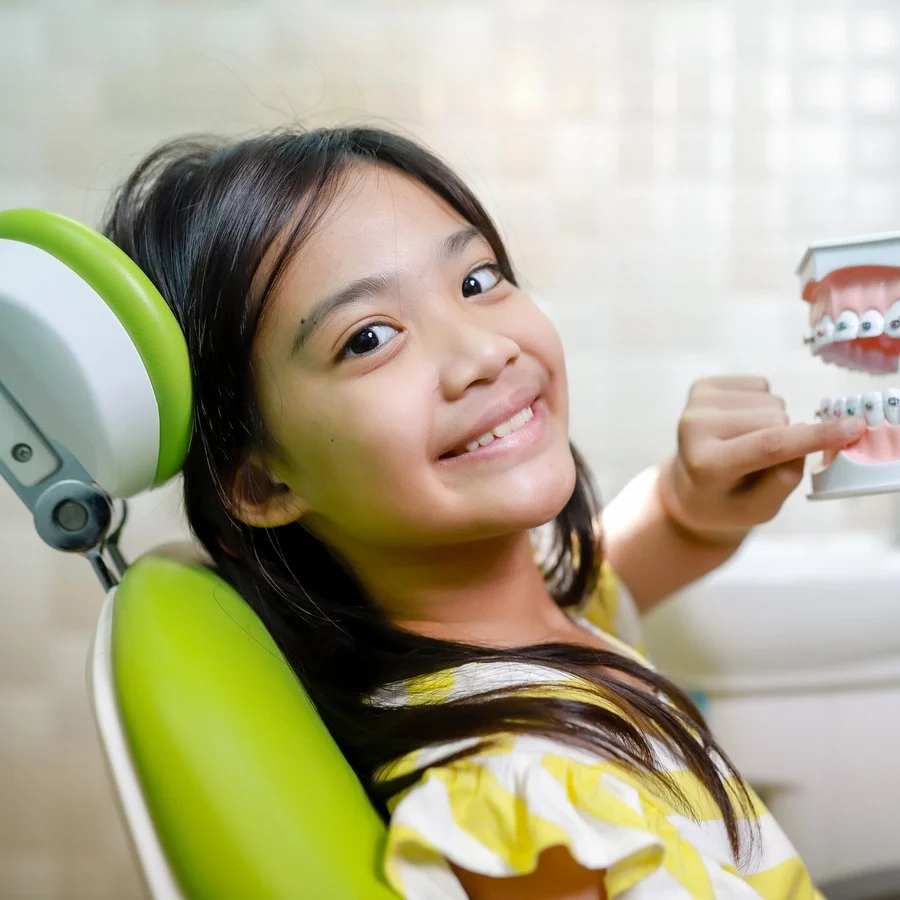
Many parents wait until a child is older, but the American Dental Association advises an early start.
According to the American Dental Association, the first visit should take place after the first tooth appears, but no later than the child’s first birthday.
The ADA points out that as soon as a baby has teeth, they can get cavities. An early visit lets the dentist check how teeth are coming in and gives you a chance to ask about brushing and feeding.
We keep the first visit simple, explain each step in plain language, and talk with you about your child’s routine. Our page on dental care for your baby covers what to expect with infants.
A first visit is also a good time to bring up pacifier use, thumb sucking, or any other habit you are wondering about.
Baby teeth begin to appear during a child’s first year and are lost one at a time as permanent teeth replace them. They hold space for the adult teeth and help with chewing and speaking, which is why we take care of them. Our page on the importance of baby teeth explains more.
The ADA reports that the first permanent molars typically come in around age 6 and the second molars around age 12. Tracking these milestones helps us time protective care such as sealants for the right teeth.

Good habits at home do most of the work between visits. The Smiles for Life oral health curriculum summarizes guidance from the American Academy of Pediatrics and the American Academy of Pediatric Dentistry on toothpaste. A few essentials are below.
Not sure about your child’s technique? Bring them in and we can show them. Our preventive care page also has daily routines.
Tooth decay starts when bacteria in plaque turn sugars into acids that wear down enamel. Because children’s teeth are still developing and habits are still forming, regular visits matter. Our dentists set the schedule that fits your child, and the American Academy of Periodontology notes that cleanings twice a year are a common recommendation. Our dental exams and cleanings include checks for early decay.
Protective steps include fluoride and sealants. The CDC reports that sealants prevented about 80 percent of cavities in back teeth over two years. What your child eats and drinks matters too, as our page on nutrition and oral health explains.
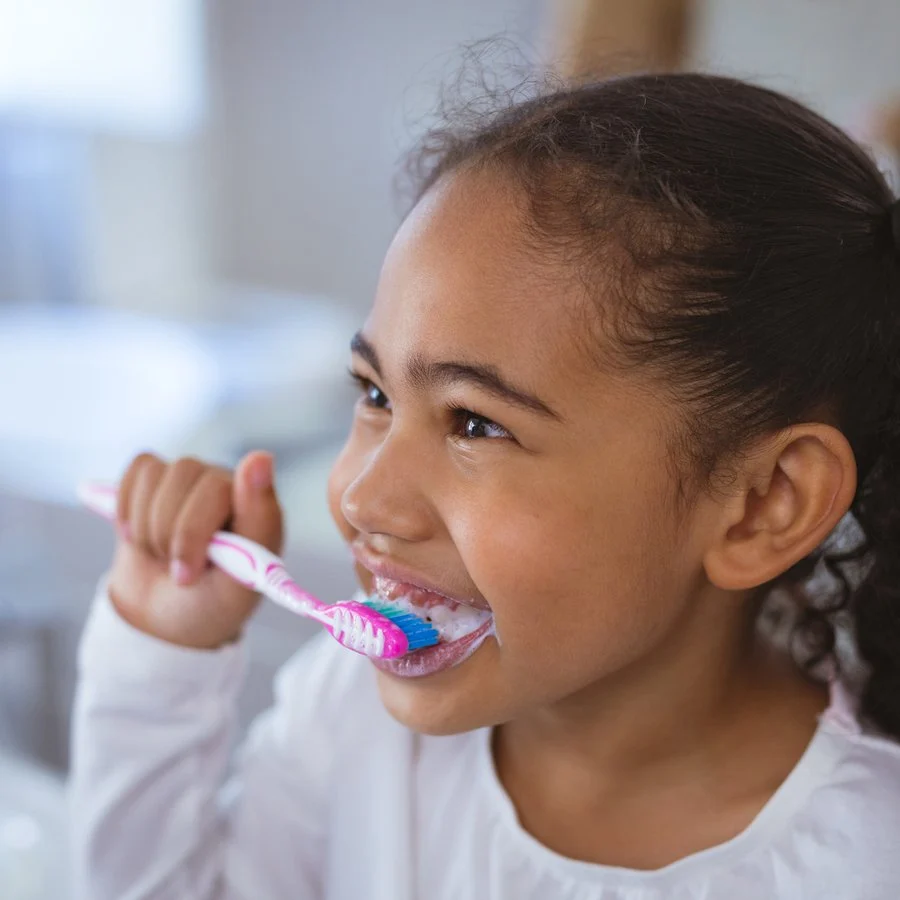
Children cooperate more when dental care feels like play. Our Dynamite Dental Fun Kit is a downloadable activity pack that helps kids get to know their teeth before a visit.
The ADA says the first visit should happen after the first tooth appears, but no later than the child’s first birthday.
The AAPD describes pediatric dentistry as an age-defined specialty providing primary and comprehensive preventive and therapeutic oral health care for infants and children through adolescence, including those with special health care needs.
For children under 3, a small smear about the size of a grain of rice. For children 3 and older, a pea-sized amount, with spitting encouraged.
Yes. Baby teeth can get cavities as soon as they appear, and they help hold space for permanent teeth. Our dentists can explain how to protect them.
The CDC reports that sealants prevented about 80 percent of cavities in back teeth over two years. Ask us whether your child’s molars would benefit.
Our dentists set the schedule that fits your child. Cleanings twice a year are a common recommendation, according to the American Academy of Periodontology.
Dr. Brian Rooney is a board-certified pediatric dentist and a Diplomate of the American Board of Pediatric Dentistry who completed a two-year pediatric dental residency at UCLA, where he served as chief resident. Together with Dr. Reem Hemantharaju, who earned a pediatric dental specialty certificate from Columbia, he welcomes all children and adolescents to our Flemington office, including those with special needs.
Whether your child is about to turn one or is due for a checkup, we are glad to answer your questions and plan a visit around your child’s comfort. We accept insurance and fee-for-service, with CareCredit and Cherry payment plans available, so reach out through our appointment request form to schedule.